3D Sports Equipment: A Modern Approach to Athletic Design and Marketing
3D sports equipment has emerged as a powerful tool in both the design and marketing sectors of the sports industry. This term typically refers to digital representations of athletic gear created using 3D modeling software, which can be rendered into high-quality images or animations. These designs are often exported as JPG or PNG files for use across various platforms such as websites, promotional materials, banners, posters, UI/UX interfaces, and more. As technology continues to evolve, understanding when and how to use 3D sports equipment becomes essential for professionals looking to stay ahead in their field.
What is 3D Sports Equipment?
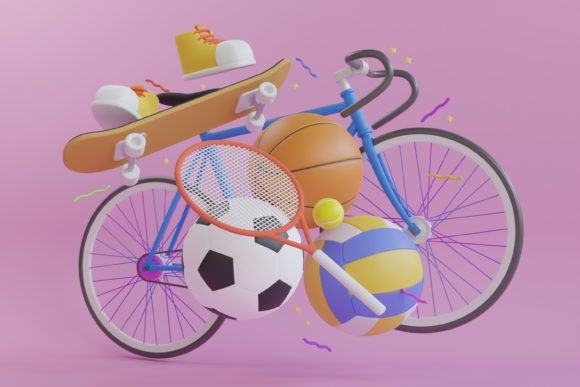
3D sports equipment involves creating lifelike visualizations of sports-related products without physically producing them. Using advanced 3D modeling tools, designers can craft detailed representations of items like basketballs, football boots, running shoes, tennis rackets, and even complex gear such as cycling helmets or protective pads. These models can then be rendered into static image formats like JPG or PNG, or animated for interactive presentations.
This approach allows for precise control over product appearance, including textures, lighting, angles, and backgrounds. Unlike traditional photography, 3D modeling eliminates the need for physical prototypes, making it a flexible option for early-stage design concepts or product variations that haven’t been manufactured yet.
Why People Are Interested in 3D Sports Equipment
There are several reasons why individuals and businesses might explore 3D sports equipment:
- Cost Efficiency: Reducing the need for physical samples cuts down on production costs, especially during the conceptual phase of a product launch.
- Speed and Flexibility: Designers can quickly modify and iterate on equipment models, enabling faster decision-making and time-to-market.
- High-Quality Visuals: The output from 3D rendering—often in JPG or PNG format—is visually rich and suitable for professional-grade marketing and advertising.
- Customization Possibilities: Brands can create personalized visuals tailored to specific campaigns, regions, or customer segments.
- Virtual Try-On Experiences: For online retailers, 3D sports equipment can be integrated into e-commerce platforms to allow customers to visualize products in different colors or settings.
Advantages
The use of 3D sports equipment offers multiple benefits:
- Accuracy and Detail: High-resolution renderings can showcase intricate design elements, giving stakeholders a clear view of the product’s final look.
- Marketing Versatility: JPG and PNG files derived from 3D models are easy to integrate into web pages, social media graphics, print materials, and digital ads.
- Consistency Across Media: Since the model is digital, it ensures consistent branding and presentation regardless of the platform used.
- Eco-Friendly Alternative: By reducing the need for physical samples, companies can lower material waste and environmental impact.
Potential Limitations
Despite its advantages, there are some tradeoffs to consider:
- Time Investment: Creating accurate 3D models requires skilled designers and can be time-consuming, especially for complex products.
- Software Costs: High-quality 3D modeling and rendering tools can be expensive to acquire and maintain.
- Realism Challenges: While modern software improves realism, achieving a level indistinguishable from real-life photography may still require expert work and post-processing.
- Limited Tactile Feedback: 3D visuals don’t convey the feel or weight of the product, which may be important for certain applications like in-store displays or consumer reviews.
Situations Where 3D Sports Equipment Is a Strong Fit
3D sports equipment is particularly useful in scenarios where flexibility, cost savings, and visual quality are priorities. Here are some common situations where it excels:
- Early Product Development: When launching new sports gear, 3D models allow teams to review and adjust designs before committing to manufacturing.
- Digital Marketing Campaigns: Companies can generate banner images, website headers, and social media posts with varying styles and colorways based on a single 3D model.
- UI/UX Design: In app development or website creation, 3D sports equipment visuals enhance user experience by providing engaging, scalable content.
- Prototyping and Concept Testing: Businesses can test product ideas with stakeholders or consumers using realistic images without producing actual goods.
- Instructional Content: Used in tutorials, guides, or training modules to demonstrate how equipment works or fits within an environment.
When Alternatives Might Be Better
While 3D sports equipment provides many advantages, there are cases where traditional methods or other alternatives may be more appropriate:
- Product Launches Requiring Authenticity: If the campaign hinges on showing real-world performance or tactile qualities, high-quality product photography might be preferable.
- Budget Constraints: Small businesses or startups with limited resources may find 3D modeling too costly and opt for stock images or simple illustrations instead.
- Complex Motion or Action Scenes: For dynamic shots involving movement, athletes, or interaction with the environment, live-action photography or video may be more effective.
- Short-Term Projects: If a project only needs one-time visuals and doesn’t benefit from future reuse or modification, investing in 3D modeling may not be justified.
Practical Considerations for Decision-Making
Deciding whether to use 3D sports equipment depends on your specific goals, budget, and timeline. Here are some practical insights to help guide your choice:
- Assess Your Needs: Determine if you need visuals for a variety of purposes (e.g., web, print, animation). If so, 3D equipment is likely worth the investment.
- Evaluate Long-Term Use: Think about whether the 3D assets will be reused in different campaigns or modified over time. Reusability increases ROI.
- Compare Costs: Calculate the cost of hiring a 3D designer versus sourcing stock photos or producing physical samples. Factor in long-term maintenance and scalability.
- Consider Realism Requirements: If your audience expects ultra-realistic imagery, ensure your team has access to advanced rendering tools and expertise.
- Review Technical Capabilities: Make sure your team or vendor can export 3D models into the required file formats (JPG, PNG) and resolutions for your intended uses.
Expectations and Best Practices
If you decide to move forward with 3D sports equipment, managing expectations is key. Here’s what to keep in mind:
- Initial Learning Curve: Getting up to speed with 3D modeling software or working with a designer can take time. Plan accordingly.
- Collaboration Is Essential: Work closely with designers to ensure the final renderings align with your brand identity and target audience.
- Iterative Process: Expect to go through multiple revisions to achieve the desired look and feel.
- Optimize for Web and Print: Ensure that JPG and PNG outputs are properly compressed and sized for each platform to maintain quality and performance.
- Use in Context: Test how 3D visuals perform in real marketing environments—on websites, in print, or in social media—to ensure they meet your communication goals.
Conclusion
3D sports equipment represents a valuable asset in today’s digital-first landscape, offering versatility, cost efficiency, and creative freedom. Whether you're designing for UI/UX, crafting promotional materials, or exploring new product lines, the ability to generate high-quality JPG and PNG images from 3D models can streamline your workflow and enhance your results.
However, it's not a one-size-fits-all solution. By carefully evaluating your specific needs, budget, and long-term strategy, you can determine whether 3D sports equipment is the right choice for your next project. When used wisely, it can become an integral part of your design and marketing toolkit, helping you stand out in a competitive market while delivering professional, impactful visuals to your audience.