3D Rendered Christmas Ball for Christmas: A Versatile Asset for Design Projects
As the holiday season approaches, the need for visually appealing and high-quality design elements becomes more pronounced. Among the most popular symbols of Christmas is the Christmas ball, an object that represents joy, tradition, and celebration. With the rise of digital design in various industries, professionals and hobbyists alike are turning to 3D rendered assets to enhance their creative projects. The 3D rendered Christmas ball has emerged as a key element in festive visual content, offering unmatched flexibility and aesthetic appeal.
The Beauty and Versatility of 3D Rendered Christmas Balls
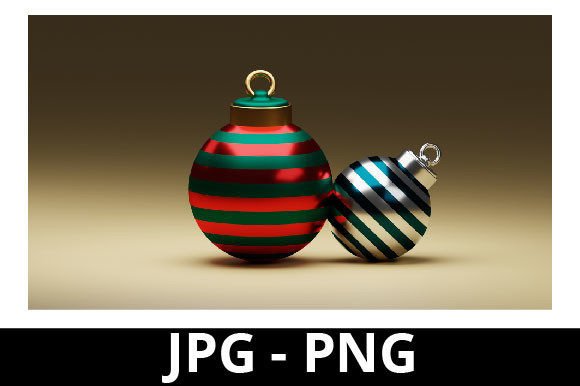
A 3D rendered Christmas ball is a digitally created model that mimics the real-world appearance of a traditional Christmas ornament. These balls are often depicted with a glossy finish, intricate patterns, and vibrant colors such as red, green, blue, and metallic tones. The rendering process allows designers to manipulate lighting, textures, and reflections to create a beautiful and shiny look that stands out in any composition.
One of the most attractive features of these 3D models is their ability to be used across multiple platforms and media. Whether you're designing for print, web, or video, a 3D render of a Christmas ball can be adapted to suit your needs. For example, a designer working on a digital ad campaign might use a glossy, colorful, and ornate version of the ball to grab attention, while someone creating product packaging may prefer a simpler, isolated image of a round, shiny sphere with minimal background.
Applications Across Industries
- Graphic Design: In graphic design, the 3D rendered Christmas ball serves as a focal point in holiday-themed posters, brochures, and social media graphics. Its reflective and decorative nature makes it ideal for conveying a sense of festivity and cheer.
- Interior Decoration: When it comes to virtual room planning or architectural visualization, the 3D rendered Christmas ball can be integrated into scenes to add seasonal charm. It’s especially useful for showing how spaces will look when decorated during December.
- Product Photography: E-commerce platforms benefit from using 3D renders to showcase products in different festive settings. A grey or red ball, for instance, can highlight a gift item or serve as part of a larger holiday decor display.
- Animation and Video Production: In motion graphics, these balls can be animated to shine, rotate, or hang from a tree branch, bringing life and movement to holiday videos. The realism of the 3D rendering ensures the final output looks professional and engaging.
- Education and Research: Educators and researchers studying cultural symbolism or visual design trends may use 3D rendered Christmas balls to illustrate concepts related to holiday aesthetics and consumer behavior during the season.
Why Choose a 3D Render Over Real Photos?
While real photographs of Christmas ornaments can be stunning, they come with limitations. Lighting conditions, camera angles, and physical constraints often restrict the creative freedom available. A 3D rendered Christmas ball, however, can be adjusted in post-production to fit virtually any artistic vision. You can tweak the glossiness, change the color palette, or even alter the shape to something uniquely decorative and seasonal.
Additionally, using a 3D render eliminates the need for expensive photo shoots. It's cost-effective, time-efficient, and provides consistent results every time. This makes it particularly valuable for businesses that require multiple variations of the same asset for marketing campaigns or seasonal updates.
Key Features of a 3D Rendered Christmas Ball
A well-crafted 3D rendered Christmas ball typically includes several features that make it stand out:
- Glossy Finish: The ball is usually given a highly reflective surface to simulate the shine of glass or metal. This glossy effect enhances its visual impact, especially when placed against a dark or contrasting background.
- Vibrant Colors: Available in a range of hues like red, green, blue, and metallic shades, the ball can be customized to match brand colors or specific design themes. This colorful variety makes it suitable for both traditional and modern holiday aesthetics.
- High-Quality Textures: Advanced rendering techniques allow for detailed textures, including patterns, glitter effects, and embossed designs. These details contribute to the ornate and beautiful look of the ball.
- Isolated Background: Many versions of the 3D rendered ball come with a transparent or white background, making it easy to integrate into other compositions without unwanted distractions.
- Multiple File Formats: ZIP folders containing these assets typically include both JPG and PNG formats, ensuring compatibility with a wide range of software and platforms. Some also offer the original 3D model for further customization.
Real-World Use Cases
Here are some practical examples of how the 3D rendered Christmas ball is being utilized today:
- Brand Campaigns: Retailers and brands use these balls in their holiday promotions to create a cohesive and festive visual identity. A metallic or shiny ball can appear on everything from email headers to banner ads.
- Print Media: Magazines, calendars, and greeting cards frequently feature 3D rendered balls to celebrate the season. Their realistic appearance helps maintain a high-end feel in printed materials.
- Web Design: Website developers incorporate these assets into landing pages and banners to reflect the Merry Christmas spirit. The 3D render can be used as a hover effect or animation to engage users.
- Product Mockups: Companies selling Christmas decorations can use 3D balls to show customers how their products might look in different environments. A hanging ball can demonstrate placement options on trees or mantles.
Considerations When Using 3D Rendered Assets
Although 3D rendered Christmas balls offer numerous benefits, there are a few things to keep in mind when incorporating them into your work:
Firstly, consider the resolution and file size. High-resolution images ensure clarity, but large files can slow down loading times for web-based projects. Always optimize the image according to its intended use.
Secondly, pay attention to the context. While a decorative ball works well in festive themes, it may not be appropriate for more subdued or minimalist designs. Matching the tone and style of the overall project is essential.
Lastly, if you’re using the 3D model itself (rather than just the rendered image), be prepared to work within a 3D modeling environment. Familiarity with tools like Blender, Maya, or Cinema 4D can help you get the most out of the asset.
Enhancing Your Designs with 3D Rendered Elements
When added thoughtfully, a 3D rendered Christmas ball can elevate the quality of your design project significantly. Its ability to reflect light realistically adds depth and dimension, making it a powerful tool for creating immersive holiday visuals. For instance, placing a bright, shiny ball near a candle or under artificial lights can create a warm, inviting atmosphere perfect for Christmas marketing.
Designers who want to explore new ideas can experiment with different combinations—such as pairing a green ball with silver accents or a blue ball with gold highlights—to find the best fit for their theme. These subtle changes can have a big impact on how the final design is perceived by the audience.
Getting Started with Your 3D Rendered Christmas Ball
If you're interested in using a 3D rendered Christmas ball in your next project, here are a few steps to help you begin:
- Choose the Right Format: Determine whether you need the JPG, PNG, or 3D model file. If you're not familiar with 3D editing, the pre-rendered images are likely the best option.
- Select a Style: Decide on the color, texture, and level of detail you want. A glossy, isolated ball might be better for logos, while a more complex 3D render could be suitable for background imagery.
- Integrate Into Your Project: Import the image or model into your preferred design software. Make sure to adjust the scale and position to complement the rest of your design elements.
- Test and Refine: Preview the asset in different lighting and backgrounds to see how it performs. Small adjustments can greatly improve the final result.
Conclusion
The 3D rendered Christmas ball is more than just a festive decoration—it’s a powerful design tool that can bring warmth, elegance, and creativity to any project. Whether you're celebrating with a small family gathering or promoting a nationwide holiday campaign, this versatile asset offers endless possibilities. By understanding its characteristics and applications, you can effectively use the 3D render to enhance your work and connect with audiences during the seasonal celebrations of December.