How Folder 3D Illustration Elevates Modern Design Projects
In today’s competitive visual landscape, design assets must not only look great but also communicate clearly and adapt seamlessly across platforms. A Folder 3D Illustration is one such asset that brings depth, modernity, and a professional touch to creative projects. Whether you're crafting UI designs, social media content, or branding materials, integrating this type of illustration can significantly enhance your output's quality and impact.
What Makes Folder 3D Illustration Unique?
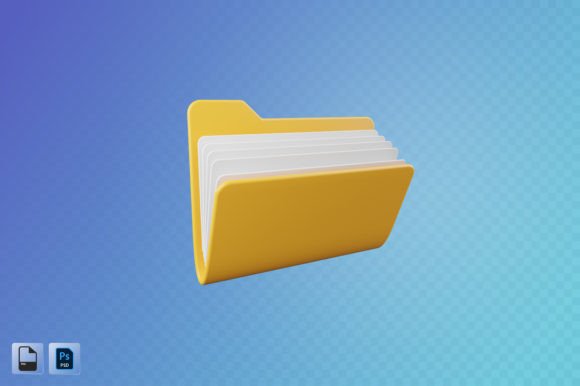
A Folder 3D Illustration is a stylized, three-dimensional representation of a folder—often used in digital interfaces, infographics, and marketing visuals. Unlike flat design elements, it adds dimensionality and realism, making it ideal for portraying organization, data, or document-related concepts. These illustrations are meticulously crafted to align with contemporary design trends, featuring smooth gradients, realistic shadows, and clean edges that reflect a modern aesthetic.
The high-resolution format (up to 3000x3000 px) ensures these illustrations maintain clarity even when scaled up for print or displayed on large screens. Available in both PSD and PNG file formats, they offer flexibility for editing layers and backgrounds, giving designers full control over the final composition.
Branding and Logo Design
When building brand identity, consistency is key. A Folder 3D Illustration can serve as a unique icon or graphic element within a logo suite or supporting collateral. Its clean lines and dimensional appeal help establish a cohesive visual language that reinforces professionalism and innovation.
Marketing Materials and Advertising Campaigns
Marketers often rely on strong imagery to capture attention. A well-placed Folder 3D Illustration can represent product categories, services, or data-driven campaigns. It works especially well in digital ads, brochures, and landing pages where visual hierarchy needs to be clear and compelling.
UI/UX and Web Design
In user interface design, folders are commonly used as metaphors for navigation, downloads, or file management. A 3D illustration version introduces a tactile feel to otherwise abstract digital interactions. This subtle enhancement can improve user experience by making the interface more intuitive and visually engaging.
- Use in app onboarding screens to guide users through features
- Incorporate into web buttons for actions like "Download" or "Open File"
- Enhance dashboards with folder icons for organizing virtual files
Social Media and Presentation Graphics
Folder 3D Illustrations are highly versatile for social media advertising and presentations. They can represent case studies, project portfolios, or educational resources in a way that feels dynamic and interactive. For content creators, these visuals add a layer of sophistication that helps stand out in crowded feeds.
In PowerPoint or Keynote slides, using a Folder 3D Illustration can make information architecture more digestible. Pairing it with bold typography and a complementary color palette ensures your message is both seen and understood at a glance.
Choosing and Using Folder 3D Illustrations Effectively
To get the most out of any design asset, consider how it fits into your overall design workflow. When selecting a Folder 3D Illustration, focus on its compatibility with your existing style guides and brand systems. Look for illustrations that match your project’s tone—whether it's minimalist, vibrant, or corporate.
Here are some best practices:
- Ensure scalability: Confirm the illustration remains sharp at different sizes, especially if it will appear in both mobile apps and billboards.
- Maintain consistency: Match the illustration’s style with other graphics and icons in your project to avoid visual dissonance.
- Optimize readability: Avoid placing text over complex areas of the illustration unless necessary, and always test legibility in context.
Also, think about lighting and perspective. A Folder 3D Illustration with a consistent light source blends better with other 3D elements and maintains a sense of realism throughout the layout.
Combining Visual Elements for Maximum Impact
Typography plays a crucial role in complementing Folder 3D Illustrations. Clean, sans-serif fonts tend to work best, offering a sleek contrast against the detailed textures of the illustration. Similarly, choosing a color palette that highlights the folder’s form without overwhelming it can help guide the viewer’s eye and emphasize key messages.
For editorial layouts or posters, use the illustration to break up dense text or highlight sections like “Case Studies” or “Portfolio.” In packaging design, it can subtly suggest contents or categorization while maintaining a modern edge.
Always evaluate how the illustration contributes to visual hierarchy. Does it draw attention to the right areas? Is it layered correctly with other elements? These considerations ensure the illustration supports—not distracts from—the overall communication goal.
With thoughtful application, a Folder 3D Illustration can transform static designs into dynamic experiences, helping you deliver ideas with clarity and creativity.