Mining Difficulty 3D Illustration: A Strategic Visual Tool for Design and Communication
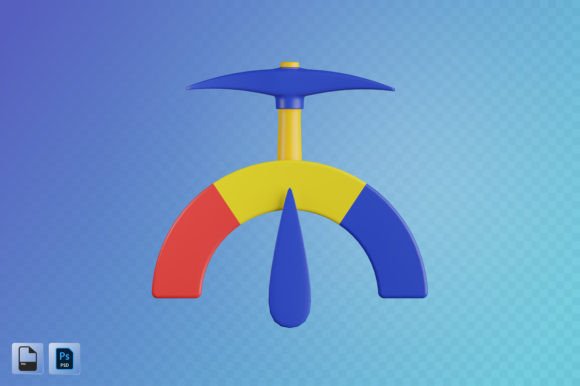
In today’s fast-paced digital landscape, visuals play a crucial role in capturing attention, simplifying complex ideas, and reinforcing brand identity. One such visual asset that stands out is the Mining Difficulty 3D Illustration. This high-resolution, scalable design element—offered in both PSD and PNG formats at 3000x3000 pixels—provides professionals with a versatile tool to communicate technical concepts in an engaging and accessible way.
What Is Mining Difficulty 3D Illustration?
A Mining Difficulty 3D Illustration is a detailed graphic representation of the computational challenges involved in cryptocurrency mining. It typically includes visual metaphors like blocks, chains, gears, or digital landscapes that convey the complexity and effort required to validate transactions and secure blockchain networks.
Unlike generic stock images, this illustration is specifically crafted for clarity and relevance. Its high resolution ensures it looks sharp on any platform—from web banners to printed posters—while the layered PSD format allows for customization, making it ideal for designers who want to tailor the image to their specific needs.
Strategic Use in Various Projects
For entrepreneurs, marketers, and content creators, the Mining Difficulty 3D Illustration can serve as more than just eye-catching art. It offers strategic value when used thoughtfully across multiple domains:
- UI/UX Design: Incorporate it into dashboards or educational modules within apps to help users visualize how mining difficulty affects network security and transaction validation.
- Web Design: Use it on landing pages or explainer sections of websites focused on blockchain technology or fintech solutions to break down technical barriers for non-expert audiences.
- Presentation Materials: Enhance slides with the illustration to support data-driven discussions about market trends, mining profitability, or technological advancements.
- Social Media Advertising: The visual appeal and thematic relevance make it a powerful addition to campaigns targeting tech-savvy audiences or those interested in decentralized finance (DeFi).
- Posters and Print Media: With its clean lines and bold imagery, the illustration works well in print materials explaining blockchain concepts in classrooms, conferences, or expos.
Supporting Decision-Making and Brand Positioning
When integrated into business communication, the Mining Difficulty 3D Illustration helps position your brand as knowledgeable and innovative. For instance, a fintech startup using this image in its marketing collateral can subtly signal expertise in blockchain without needing to rely on dense jargon.
Consider the example of a cryptocurrency education platform launching a course on mining operations. By embedding the illustration in lesson slides, they provide learners with a visual anchor that supports comprehension and retention. Similarly, a SaaS company offering tools for miners could use the image in product demos to highlight features like real-time difficulty tracking or performance analytics.
Planning Thoughtful Integration
To leverage the Mining Difficulty 3D Illustration effectively, start by aligning it with your project goals. Ask yourself:
- What message am I trying to convey? Is it about complexity, innovation, or sustainability?
- Who is my audience? Are they investors, developers, or general consumers?
- Where will the illustration be displayed? On screens, in print, or within interactive media?
Once you have answers, consider how the illustration can enhance user experience or storytelling. For UI/UX designers, placing it alongside key metrics can add context to otherwise abstract numbers. Marketers might pair it with infographics to explain why mining hardware choices matter in fluctuating markets.
Design Tips for Maximum Impact
Here are some practical considerations for using the Mining Difficulty 3D Illustration in your work:
- Layer Customization: Take advantage of the PSD file format to modify colors, lighting, or elements to match your brand's style guide or campaign theme.
- Contextual Framing: Use the illustration as part of a larger visual narrative. Don’t isolate it; instead, integrate it with text, charts, or other icons to create a cohesive story.
- Responsive Design: Since it’s high resolution, ensure that it scales well across devices. Test different sizes to confirm it maintains clarity and impact on mobile, tablet, and desktop views.
- Accessibility: If used in digital interfaces, always include alt text to describe the illustration accurately for screen readers and SEO purposes.
Use Cases Across Industries
The Mining Difficulty 3D Illustration isn't limited to cryptocurrency-related fields. Its adaptability makes it a valuable asset in broader contexts:
Education and Training
Educators can use the illustration to teach blockchain fundamentals in a visually compelling way. Whether creating e-learning modules or classroom handouts, pairing the image with concise explanations can significantly boost understanding among students unfamiliar with technical mining processes.
Freelancing and Content Creation
Content creators and freelancers working on topics like DeFi, NFTs, or digital currencies often need strong visual assets to accompany their articles or videos. This illustration serves as a ready-to-use component that adds professionalism and depth to content without requiring custom 3D modeling or animation.
Marketing and Advertising
Marketers aiming to engage niche audiences—like potential investors or crypto enthusiasts—can use the illustration to craft targeted campaigns. For example, a social media ad highlighting the increasing difficulty of Bitcoin mining could use the image to evoke urgency and encourage early adoption of new tools or services.
Risks of Random Use
While the Mining Difficulty 3D Illustration is visually striking, using it without clear intent can lead to confusion or dilute your message. A common pitfall is employing the image simply because it looks modern or techy, rather than because it contributes meaningfully to the content.
Without proper framing, the illustration may appear irrelevant or even misleading. Imagine a presentation where the image is included but not explained—this could alienate your audience or fail to deliver the intended insight. Always ask whether the image enhances the viewer’s understanding or if it’s just decorative.
How to Avoid Misuse
To avoid these risks, follow these guidelines:
- Define the purpose of the illustration before incorporating it into your project.
- Ensure it complements the tone and complexity of your content.
- Test it in context with real users or stakeholders to gauge its effectiveness.
- Update or replace it if it no longer reflects current trends or data.
Long-Term Value and Reusability
One of the key advantages of the Mining Difficulty 3D Illustration is its reusability across platforms and projects. Because it comes in standard file formats, it’s easy to repurpose for different needs over time. For instance, a designer might first use it in a poster for a conference, later incorporate it into a mobile app, and eventually reuse it in a blog post.
This flexibility supports long-term branding strategies. As your business evolves, the illustration can be adapted to reflect changes in messaging or product offerings. Maintaining a consistent visual language around complex topics like mining difficulty helps build trust and familiarity with your audience.
Investing in Future-Proof Assets
By choosing a high-quality, customizable illustration now, you’re investing in a resource that can grow with your business. Instead of commissioning new artwork each time, you can tweak existing files to stay aligned with your evolving needs. This not only saves time and money but also ensures continuity in your visual communication.
Enhancing Creativity and Productivity
Designers and developers benefit from the Mining Difficulty 3D Illustration by reducing the time spent on conceptual graphics. Rather than starting from scratch, they can focus on refining layouts, interactions, or narratives. This accelerates the creative process and allows teams to deliver polished products faster.
Moreover, the illustration acts as a springboard for brainstorming sessions. When discussing blockchain strategy or mining efficiency, having a visual aid can spark conversations and insights that wouldn’t emerge from text alone. It encourages collaboration between technical and creative teams by providing a shared reference point.
Streamlining Workflows
Integrate the illustration into your workflow by:
- Storing it in a centralized design asset library for easy access.
- Using it as a placeholder during early prototyping stages.
- Creating variations with subtle color shifts or added annotations for different use cases.
- Linking it to real-time data sources in interactive designs to show dynamic changes in mining difficulty.
Learning Through Visualization
Visual learning is a powerful method, especially when dealing with abstract or highly technical subjects. The Mining Difficulty 3D Illustration can act as a teaching aid that simplifies complex algorithms and processes into digestible form.
For educators, it’s a great tool to introduce topics like hash rates, block rewards, or energy consumption in mining. Pair it with case studies or simulations to help students grasp the implications of rising difficulty levels and how they affect the ecosystem.
Building Knowledge with Context
When used in training materials, the illustration should be accompanied by clear explanations. Consider adding captions or tooltips that highlight key components, such as hashing power requirements or network adjustments. This transforms the image from a static graphic into an interactive learning experience.
Operational Clarity and Customer Experience
Businesses in the blockchain space often struggle to communicate operational details to customers. The Mining Difficulty 3D Illustration can bridge this gap by illustrating how mining difficulty impacts service reliability, costs, or performance.
For example, a cloud mining provider might use the illustration to explain why certain contracts become less profitable over time. Or a hardware vendor could showcase it in comparison charts to demonstrate how newer models handle increased difficulty better than older ones.
These applications improve transparency and customer satisfaction by helping users understand the factors influencing their investments or usage patterns. In turn, this builds credibility and reduces support inquiries related to technical misunderstandings.
Final Strategic Considerations
Before relying on the Mining Difficulty 3D Illustration, assess its fit within your broader communication strategy. Consider the following:
- Does it align with your brand’s visual identity?
- Will it resonate with your target audience’s level of technical knowledge?
- Is there a plan for updating or replacing it as mining dynamics evolve?
- Can it be reused across multiple channels to maximize ROI?
Answering these questions upfront ensures the illustration is used intentionally and strategically, avoiding wasted resources and maximizing its impact. The goal is not just to look good, but to inform, engage, and drive results.
Balancing Art and Information
The best use of the Mining Difficulty 3D Illustration lies in its ability to balance aesthetics with informative content. It’s not merely a design element—it’s a tool that can simplify decision-making, support learning, and reinforce your brand’s authority in the blockchain industry.
As you move forward, think beyond the pixel count and file types. Focus on how this illustration can serve as a cornerstone in your visual storytelling, enhancing every stage from initial planning to final delivery.