3D Luxury Golden Lines Pattern Elements: A Modern Design Resource for Creatives
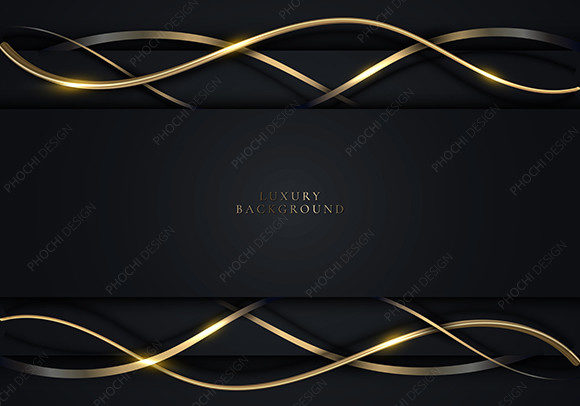
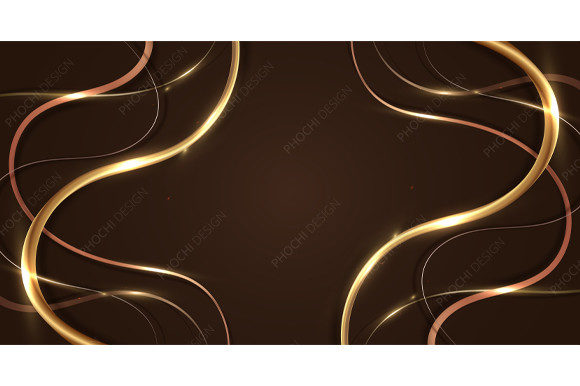
The 3D Luxury Golden Lines Pattern Elements are a set of high-quality vector graphics that offer an elegant and contemporary design solution for professionals in the creative industry. These elements typically feature abstract, three-dimensional golden line patterns with subtle lighting effects, rendered on a brown background to emphasize depth and sophistication. Designed as part of a modern luxury template collection, they provide a visually striking foundation for various applications, including branding materials, digital marketing assets, invitations, or packaging designs.
What Are 3D Luxury Golden Lines Pattern Elements?
These pattern elements consist of stylized, geometric shapes created using advanced vector illustration techniques. The golden lines give a sense of opulence and refinement, while the 3D rendering adds a layer of visual complexity. The inclusion of a lighting effect enhances the perception of depth and realism, making these elements suitable for both print and digital media. As a vector-based file, it allows for seamless scaling without loss of quality, ensuring crisp results at any size.
Why Consider This Design Resource?
Designers often seek assets that blend aesthetic appeal with functional versatility. The 3D Luxury Golden Lines Pattern Elements meet this demand by offering:
- A modern luxury look that aligns with upscale branding aesthetics.
- High-resolution output (300dpi) for professional-grade printing and display.
- Full editability of shapes and colors, enabling customization to match specific project needs.
- Well-organized layers for easy manipulation and integration into other design projects.
- No watermarks, allowing for direct use in client deliverables or commercial work.
Benefits of Using 3D Luxury Golden Lines Pattern Elements
There are several advantages to incorporating these elements into your design workflow:
- Elegant Aesthetic: The golden color palette and refined structure make them ideal for conveying luxury, exclusivity, and class.
- Professional Quality: Being available in EPS format ensures compatibility with major design software like Adobe Illustrator, Photoshop, and InDesign.
- Time Efficiency: Pre-designed elements save time compared to creating similar visuals from scratch.
- Consistency: When used across multiple design pieces, they help maintain a cohesive visual identity.
- Commercial Use: The absence of watermarks and availability in editable formats supports their use in both personal and business-related projects.
Potential Tradeoffs and Limitations
While the 3D Luxury Golden Lines Pattern Elements are powerful tools, there are some considerations before committing to their use:
- Style Specificity: The design leans heavily toward a modern luxury theme, which may not suit all brand identities or target audiences.
- Learning Curve: Manipulating 3D vector elements requires some familiarity with design software and its advanced features.
- Overuse Risk: Like many design trends, overusing golden lines can dilute their impact, leading to a less unique final product.
- Licensing Terms: Ensure you understand the terms of use, especially if planning to use the elements in commercial settings.
Situations Where These Elements Shine
This design resource is particularly well-suited for the following scenarios:
- Brand Packaging: For products targeting the luxury market, such as cosmetics, wines, or high-end fashion accessories.
- Corporate Presentations: When aiming to convey professionalism and elegance in slides or reports.
- Invitations and Event Materials: Perfect for weddings, gala events, or exclusive launch parties where visual grandeur is essential.
- Digital Marketing Assets: Can be used in website headers, social media banners, or promotional emails for a refined look.
- Graphic Overlays: As background textures or overlays in editorial layouts or product mockups.
When to Explore Alternatives
Despite their strengths, these elements may not always be the best choice. Consider alternatives in the following cases:
- If your brand or project has a more minimalist or rustic design direction, the gold-heavy aesthetic might feel out of place.
- For budget-driven or DIY projects, simpler flat vector illustrations could be more appropriate and easier to customize.
- When working on large-scale print projects with complex color profiles, ensure the golden tones translate well under different lighting conditions.
- In niche markets where understated design is preferred over bold, luxurious visuals.
Decision-Making Insights for Designers
Before deciding whether to use 3D Luxury Golden Lines Pattern Elements, consider the following questions:
- Does my project require a high-end, sophisticated visual tone?
- Am I confident in editing vector files and applying custom color schemes?
- Will these elements complement the existing design language rather than compete with it?
- Are there other pattern styles or themes that better align with my audience's preferences?
Answering these will help determine whether the asset is a strategic fit or if another design approach would serve your goals more effectively.
Expectations and Best Practices
When working with these elements, here’s what to expect and how to maximize their potential:
- Quality Assurance: Expect sharp, scalable visuals thanks to the 100% vector nature and 300dpi resolution.
- Flexibility: You’ll have the ability to adjust individual components, re-color, and resize without compromising quality.
- Integration: They should integrate smoothly into most design environments, provided your software supports EPS and JPG formats.
- Use Case Alignment: Be selective in how and where you apply these elements to avoid overwhelming the viewer or clashing with primary content.
Conclusion
The 3D Luxury Golden Lines Pattern Elements represent a compelling option for designers seeking to elevate their projects with a touch of sophistication. Their structured yet artistic composition makes them valuable for branding, marketing, and event design. However, their effectiveness depends on the context of use and the designer’s ability to adapt them creatively. By evaluating your specific needs and considering the broader design strategy, you can decide if this resource will add value to your portfolio or if an alternative approach is more suitable.