How Chair and Table 3D Illustration Enhances Modern Design Projects
In the evolving world of digital design, visual assets play a crucial role in conveying ideas effectively. One such resource gaining popularity is the Chair and Table 3D Illustration. These illustrations are not just artistic renderings but practical tools for professionals working on UI/UX design, app development, web layouts, presentations, posters, and social media campaigns. As content creators and designers seek high-quality, adaptable visuals, understanding what makes these illustrations unique and how they fit into different workflows can help you choose the right asset for your needs.
What Is Chair and Table 3D Illustration?
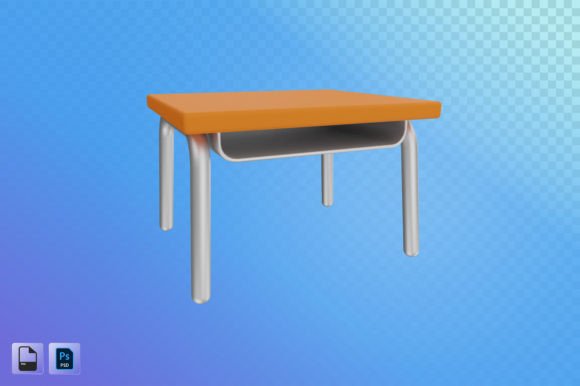
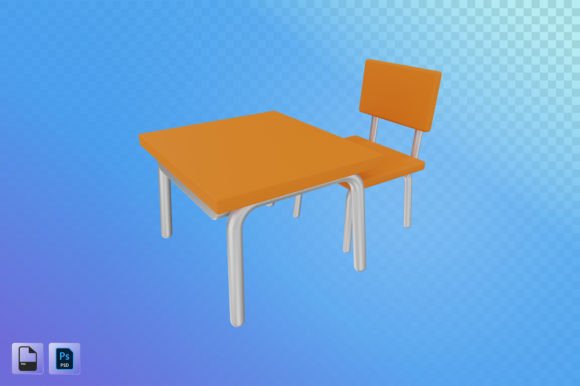
A Chair and Table 3D Illustration refers to a digitally rendered image or set of images that depict chairs and tables in three dimensions. Unlike traditional flat graphics or stock photos, these illustrations offer depth, perspective, and realistic lighting effects. They are often created using specialized 3D modeling software and then exported in formats like PNG and PSD, which allow for easy customization and layer manipulation.
The typical resolution for such illustrations is around 2000x2000 pixels, making them suitable for both digital screens and print materials. Their clean, scalable nature ensures they look sharp whether used in a mobile app interface or a large-format poster. The combination of realism and flexibility makes them particularly useful for visual storytelling and user experience design.
Key Features That Set It Apart
- High Resolution: With a standard size of 2000x2000 pixels, Chair and Table 3D Illustrations maintain clarity at any scale, which is essential for professional-grade outputs.
- Multiple File Formats: Receiving both PSD and PNG files gives designers greater control. PSD layers allow for detailed editing, while PNGs provide ready-to-use transparent backgrounds.
- Versatility Across Platforms: These illustrations suit a wide range of applications from UI design and web development to marketing materials and editorial content.
- Customization Potential: Because they’re vector-based or layered, they can be adjusted to match brand colors, styles, or specific layout requirements.
Comparing 3D Illustrations with Other Visual Assets
When evaluating design resources, it's important to understand how Chair and Table 3D Illustrations stack up against other common types of imagery:
1. Stock Photos
Pros: Realistic textures, natural lighting, and diverse compositions make stock photos ideal for photo-realistic projects. They can capture real-world environments and interactions.
Cons: Limited flexibility—photos can't be easily altered in terms of color, shape, or context. Licensing restrictions may also limit their use in certain commercial applications.
Comparison: While stock photos excel in authenticity, 3D illustrations like Chair and Table 3D Illustrations offer the advantage of being editable. This means you can change the background, add shadows, or reposition elements without needing to shoot new images.
2. Flat Vector Graphics
Pros: Simple shapes, fast rendering times, and scalability make flat vectors excellent for minimalist designs, infographics, and icons.
Cons: Lack of depth and texture can make them appear less engaging or realistic compared to 3D illustrations.
Comparison: Chair and Table 3D Illustrations bridge the gap between flat graphics and photorealism. They retain the benefits of scalability and layer access while adding a more dynamic visual appeal through lighting and shadow effects.
3. Photo-Realistic Renders
Pros: These are highly detailed and visually stunning, mimicking real-life objects almost perfectly. Great for product showcases or architectural visualizations.
Cons: Often require powerful hardware to edit and manipulate due to their complexity. File sizes can be large, and licensing might be restrictive depending on the source.
Comparison: Chair and Table 3D Illustrations are typically optimized for balance between detail and usability. They’re realistic enough to stand out yet manageable in file size and complexity for most design workflows.
Strengths and Best-Fit Use Cases
Here’s where Chair and Table 3D Illustrations shine:
- UI and App Design: In user interfaces, especially for lifestyle or furniture-related apps, 3D illustrations create a more immersive and intuitive experience. A chair and table scene can guide users through virtual showrooms or settings without requiring actual photography.
- Web Design: For websites focused on interior design, home decor, or office furniture, these illustrations can serve as hero images or section dividers. Their clean lines and realistic shading work well with modern, minimal web aesthetics.
- Presentation Slides: When presenting design concepts or proposals, 3D illustrations can replace generic placeholders. A Chair and Table 3D Illustration adds professionalism and visual clarity, especially when showing spatial arrangements.
- Posters and Print Materials: Whether promoting an event, showcasing a new product line, or creating educational content, 3D illustrations provide an eye-catching focal point that works across both digital and print mediums.
- Social Media Advertising: On platforms like Instagram or Pinterest, where visual impact is key, these illustrations can be used to highlight furniture options, room setups, or even lifestyle themes in a way that feels fresh and engaging.
Tradeoffs and Limitations
While Chair and Table 3D Illustrations are versatile, they do come with some limitations:
- Design Complexity: If your project requires intricate animations or complex interactivity (like rotating models), a static 3D illustration may not suffice. You might need to explore animated 3D models or interactive mockups instead.
- Editing Requirements: Though PSD files allow for layer edits, manipulating 3D illustrations still requires a basic understanding of design software like Photoshop or Illustrator. Beginners may find it challenging without prior training.
- Cost Considerations: High-quality 3D illustrations can sometimes be more expensive than simpler graphic assets. However, the investment is often justified by the increased adaptability and visual quality they bring to a project.
Choosing Between 3D Illustrations and Alternatives
Deciding whether to use a Chair and Table 3D Illustration depends on several factors:
Project Scope and Purpose
If your goal is to visualize a space quickly and with a polished look, a 3D illustration can save time and effort compared to sourcing and editing multiple stock photos. For instance, when designing an e-commerce landing page for furniture, using a Chair and Table 3D Illustration allows for consistent branding and style across all product displays.
Target Audience
Consider who will see your design. For younger audiences or tech-savvy users, the sleekness of 3D visuals can enhance perceived modernity and innovation. For more conservative or traditional industries, a stock photo might feel more trustworthy and authentic.
Budget and Timeline
3D illustrations generally take longer to produce and cost more if custom-made. However, pre-designed Chair and Table 3D Illustrations are widely available online and can be implemented quickly. Compare this with hiring a photographer for similar shots, which could take days and incur travel or setup costs.
Real-World Examples of Usage
Let’s look at how Chair and Table 3D Illustrations have been applied in various scenarios:
- Interior Design Apps: A popular app uses a Chair and Table 3D Illustration as part of its virtual room planner feature. Users can drag and drop different furniture combinations to see how they would look in their own spaces.
- Marketing Campaigns: A home décor brand incorporated these illustrations into their Instagram ads to showcase new dining sets. The 3D visuals allowed for seamless integration with the brand’s color scheme and typography, resulting in a cohesive aesthetic.
- Editorial Content: A design blog used a Chair and Table 3D Illustration in a post about workspace ergonomics. The illustration helped break down the article visually and made it easier for readers to grasp the spatial relationships between furniture pieces.
When Chair and Table 3D Illustration Might Not Be Right
Despite their advantages, there are situations where another option might be better suited:
- Photographic Authenticity Required: If your project demands genuine textures or environmental details (such as dust or sunlight reflections), a high-resolution photograph may be more appropriate.
- Minimalist Branding: Some brands prefer ultra-clean, abstract visuals over 3D scenes. In those cases, simple line art or flat vector designs might align better with the brand identity.
- Interactive Needs: For projects requiring animation, such as a virtual showroom or AR application, consider investing in full 3D model assets rather than static illustrations.
Practical Tips for Using Chair and Table 3D Illustration
To get the most out of these illustrations, keep the following tips in mind:
- Layer Exploration: Open the PSD file to see individual components like the chair, table, and ambient elements. This allows you to customize the scene without redrawing anything from scratch.
- Color Matching: Adjust the colors to match your brand palette. Most 3D illustrations include separate color layers for quick and easy alignment.
- Lighting Consistency: Match the lighting direction and intensity in your design to ensure the illustration blends naturally with other assets.
- Contextual Integration: Use the illustration in a setting that complements it—whether it's a modern kitchen backdrop or a rustic living room concept. Context helps the illustration tell a story.
Final Considerations for Designers and Content Creators
As a designer or content creator, your choice of visual assets should reflect the tone, purpose, and technical needs of your project. Chair and Table 3D Illustrations are particularly valuable when you want to convey a sense of realism without the constraints of photography. They’re scalable, customizable, and compatible with a variety of platforms—from digital interfaces to printed collateral.
However, always evaluate the specific goals of your project. Are you looking to build a futuristic app interface? Then 3D illustrations may be perfect. But if you're crafting a vintage-themed website, a hand-drawn sketch or black-and-white photograph might resonate more with your audience.
Ultimately, the decision comes down to how well the illustration supports your message and fits within your creative workflow. Chair and Table 3D Illustrations are a strong contender in many scenarios, offering a blend of realism and adaptability that few other assets can match.