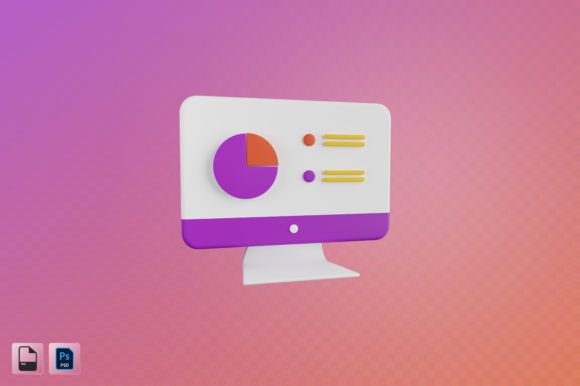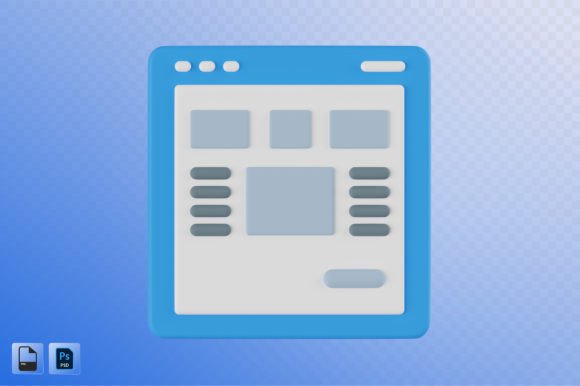
Page Layout 3D Illustration for Design and Digital Projects
In today’s visually driven digital world, the right imagery can make or break a project. Whether you're designing an app, crafting a website, preparing a presentation, or creating social media content, high-quality visuals are essential to capturing attention and conveying your message effectively. One powerful tool that's gaining popularity among designers and creators is Page Layout 3D Illustration. These illustrations offer a dynamic way to visualize information, making them ideal for a wide range of design needs—from UI/UX elements to marketing materials.
What Is Page Layout 3D Illustration?
A Page Layout 3D Illustration is a three-dimensional graphic representation that showcases how content is arranged on a page. Unlike traditional flat designs, these illustrations add depth, perspective, and realism, helping users understand spatial relationships between elements like text, buttons, images, and icons. They’re commonly used in digital design to present concepts in a more engaging and intuitive format.
These illustrations are typically created using advanced 3D modeling software and rendered into high-resolution files such as PSD and PNG. Their primary goal is to provide clarity, enhance visual appeal, and support storytelling across various platforms. The result is a versatile asset that looks professional and adapts well to multiple uses.
Key Characteristics and Strengths
- High Resolution: Page Layout 3D Illustrations often come in resolutions like 3000x3000 px, ensuring they look crisp and detailed on any screen size or print medium.
- Layered Files (PSD): Receiving layered PSD files gives designers full control over individual components, allowing for easy customization and integration into other projects.
- Clean PNG Versions: Flattened PNG files are perfect for quick use in presentations, websites, or social media without requiring editing tools.
- Realistic Depth: The 3D aspect brings a sense of realism and professionalism, making the layout feel tangible and lifelike.
- Flexibility: These illustrations suit a variety of contexts—whether it's explaining a mobile app interface, showcasing a web design concept, or supporting educational material.
Why Choose 3D Over Flat Designs?
While flat design remains popular for its simplicity and modern aesthetic, there are situations where 3D illustrations outperform their two-dimensional counterparts. For instance, when demonstrating complex layouts or interactive elements, a 3D illustration can help clarify how each part functions within the whole. This makes them particularly valuable for UI design, where spatial awareness and user interaction play key roles.
Practical Applications Across Industries
Page Layout 3D Illustrations are incredibly versatile and find their place in many fields. Here’s a closer look at some of the most common use cases:
UI and Web Design
In the realm of UI and web design, these illustrations are invaluable for prototyping and client presentations. They allow designers to show how different sections of a site will appear together, including headers, footers, sidebars, and navigation menus. A realistic 3D layout helps stakeholders visualize the final product and provides feedback based on actual proportions and positioning.
For example, if you're designing a dashboard for a financial app, a 3D illustration can demonstrate how data cards, charts, and buttons fit together in a three-dimensional space, giving clients a better understanding of the user experience before development begins.
App Development
Mobile app developers often use Page Layout 3D Illustrations during the early stages of design. These assets can be used to explain screen flows, highlight interactive features, or showcase a new feature set in a visually compelling way. Since app interfaces must be both functional and aesthetically pleasing, 3D illustrations help bridge the gap between concept and execution.
Consider an e-commerce app where users can swipe through product views. A 3D illustration could depict this swiping motion in a realistic manner, making the concept easier to grasp for team members and clients alike.
Presentations and Reports
When presenting to investors, stakeholders, or colleagues, static slides can sometimes fall short. Adding a 3D illustration to your presentation can elevate the visual impact and help communicate ideas more clearly. It’s especially effective when showing how digital products function or how content is structured within a platform.
Imagine presenting a new learning management system. A Page Layout 3D Illustration could display the main interface with tabs, widgets, and modules arranged in 3D, offering a clear view of the overall structure and flow.
Marketing and Advertising
Marketers and advertisers benefit from using 3D illustrations in campaigns that require strong visual storytelling. Whether it's for social media posts, banners, or posters, these illustrations stand out due to their immersive nature. They also support brand identity by providing a consistent and polished look across all promotional materials.
Suppose you're launching a new productivity app. A 3D illustration of the app’s home screen could be used in a YouTube ad, a Facebook post, or even printed on a poster at an event, maintaining a cohesive visual theme while grabbing attention.
Content Creation and Blogging
Bloggers and content creators can use Page Layout 3D Illustrations to illustrate workflows, app tutorials, or article structures. These visuals not only make the content more digestible but also improve engagement and retention. Readers are more likely to stay interested and understand the material when it's paired with a compelling 3D graphic.
Benefits of Using Page Layout 3D Illustration
The advantages of incorporating 3D illustrations into your design workflow are numerous. Let’s explore some of the most impactful benefits:
Enhanced Visual Communication
One of the biggest strengths of 3D illustrations is their ability to simplify complex ideas. By presenting a layout in three dimensions, you eliminate confusion about placement and hierarchy. This is especially useful in technical or educational environments where clarity is crucial.
Better Branding and Aesthetic Appeal
High-quality 3D illustrations contribute to a polished brand image. When used consistently across platforms like websites, apps, or marketing collateral, they reinforce a professional and innovative brand identity. Their clean lines and realistic textures make them stand out in a sea of generic stock photos and flat graphics.
Increased Engagement
Visuals that pop off the page naturally attract more attention. In social media advertising, for instance, a 3D illustration of a product or interface can significantly increase click-through rates compared to a standard photo or flat mockup. The added dimension makes the content feel more interactive and appealing to the eye.
Time and Cost Efficiency
With ready-to-use PSD and PNG files, integrating a Page Layout 3D Illustration into your project can save hours of custom design work. You don’t need to start from scratch—you can simply adjust layers, colors, or elements to match your brand or project requirements. This makes them a cost-effective solution for freelancers, startups, and small businesses looking to maintain quality without overspending on bespoke artwork.
Improved User Experience
In digital design, the user experience (UX) is everything. A 3D illustration can help you test and refine how users interact with your layout. It allows you to identify potential usability issues early in the design process, leading to a smoother final product.
Use Cases and Real-World Examples
Here are some specific examples of how professionals are using Page Layout 3D Illustrations:
- Portfolio Websites: Freelance designers and agencies use 3D illustrations to showcase their work in a creative and engaging way. Instead of listing screenshots, they might present a stylized 3D layout of a recent project, adding context and professionalism.
- Educational Platforms: Online learning sites use 3D illustrations to guide students through course interfaces, helping them navigate virtual classrooms, assignments, and quizzes more intuitively.
- Product Demos: Tech companies leverage 3D illustrations in demos to show how their SaaS platforms or mobile apps look and operate. This helps reduce the need for lengthy explanations and keeps the audience focused on the visual demonstration.
- Advertising Campaigns: Marketers use these illustrations to create eye-catching ads that highlight app features, website updates, or digital service offerings. The 3D effect adds a premium feel that resonates with target audiences.
Choosing the Right Page Layout 3D Illustration
Selecting the best 3D illustration for your project requires careful consideration. Here are some tips to help you evaluate and choose wisely:
- Relevance: Ensure the illustration aligns with your project's purpose. If you're illustrating a mobile app, focus on illustrations that reflect mobile form factors and UI conventions.
- Resolution and File Format: High resolution ensures scalability, while layered PSD files give you flexibility for edits. Always check the file specifications before purchasing or downloading.
- Style Consistency: Pick illustrations that match your brand's color palette and design language. A mismatched style can confuse users and dilute your brand identity.
- Usability Testing: Before finalizing, test the illustration in your intended environment. How does it look on a phone? Does it load quickly on a website? These are important questions to ask.
- Source Reliability: Opt for illustrations from reputable designers or marketplaces. Reading reviews and checking previous work can help you avoid subpar assets.
Implementation Tips
Once you’ve selected a suitable 3D illustration, here are some practical steps for implementation:
- Open the PSD file in Adobe Photoshop to access individual layers for customization.
- Edit colors, fonts, or icons to align with your brand guidelines.
- Export PNG versions for use in web or mobile design without needing to retain layer data.
- Test the illustration in your chosen platform—whether it’s a PowerPoint slide, a landing page, or a mobile app prototype—to ensure it fits seamlessly.
- Optimize file sizes if needed, especially for online use where performance matters.
Conclusion: Elevating Your Projects with 3D Illustrations
Page Layout 3D Illustrations are more than just pretty pictures—they’re strategic assets that enhance communication, improve design clarity, and boost engagement. From UI design to marketing materials, their applications are vast and growing. With high-resolution options, layered files, and a realistic 3D appearance, they offer unmatched value for professionals who want to streamline their workflow and deliver top-notch results.
If you're working on a digital project and looking for a way to present your layout in a fresh and compelling way, consider incorporating a Page Layout 3D Illustration. It’s a simple yet powerful choice that can transform the way your audience perceives your work.