What Is a File Binder 3D Illustration and How Can It Enhance Your Design Projects?
In today’s digital world, visual content plays a crucial role in capturing attention and conveying messages effectively. Whether you're designing an app, creating a website, or preparing a presentation, high-quality visuals can make all the difference. One such asset that has gained popularity among designers is the File Binder 3D Illustration. This versatile design element offers both aesthetic appeal and functional value across various platforms and industries.
Understanding the Purpose of a File Binder 3D Illustration
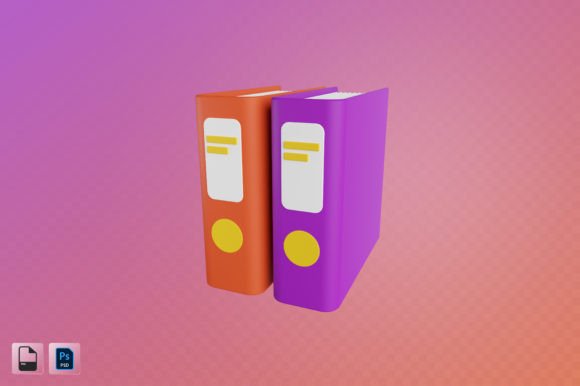
A File Binder 3D Illustration is typically used to represent organization, structure, and digital management in a visually engaging way. It serves as a metaphor for bundling or grouping files, making it ideal for interfaces where data handling or document management is key. The illustration can symbolize anything from cloud storage systems to project folders, depending on the context of the design.
Designers use this type of illustration to communicate concepts without relying solely on text. For example, in a productivity app, a file binder might indicate where users can store their tasks or notes. In web design, it could be part of a larger set of icons representing different sections of a site. The beauty of a 3D illustration lies in its ability to create depth and realism, helping viewers connect with the message more intuitively.
Key Features and Characteristics
- High Resolution: A typical File Binder 3D Illustration comes in a size of 3000x3000 pixels, ensuring clarity and sharpness even when scaled up for large displays or printed materials.
- Multiple File Formats: These illustrations are often provided in both PSD (Photoshop) and PNG formats, giving creators flexibility in how they edit, layer, and integrate the design into their projects.
- Realistic Visuals: The 3D aspect adds a sense of tangibility and professionalism, making it stand out compared to flat or vector-based alternatives.
- Customizable Elements: With layered PSD files, users can modify colors, textures, or components of the illustration to better fit their brand identity or design theme.
Why Realism Matters in Digital Design
While minimalist and abstract designs have their place, there's something about a realistic 3D illustration that commands attention. A well-crafted File Binder 3D Illustration doesn’t just look good—it tells a story. It helps users visualize processes, understand functionality, or simply add a touch of sophistication to a layout.
Where Can You Use a File Binder 3D Illustration?
The adaptability of a File Binder 3D Illustration makes it suitable for a wide range of applications. Here are some common use cases:
- App and UI Design: Ideal for dashboards, home screens, or settings menus where file organization is a central theme.
- Web Design: Can serve as a background element, header graphic, or part of a landing page promoting digital services like cloud computing or data security.
- Presentations and Posters: Adds a professional and modern feel to slides or print materials related to technology, education, or business operations.
- Social Media Advertising: Its eye-catching nature works well in promotional content, especially when highlighting features like data management or online collaboration tools.
- Content Creation: Bloggers, YouTubers, and educators often use these illustrations to explain complex topics in a more digestible format.
Who Benefits Most from This Illustration?
Professionals in the tech industry, such as software developers and IT consultants, frequently use this illustration to demonstrate digital workflows. Meanwhile, marketing teams may incorporate it into campaigns to promote productivity tools or enterprise solutions. Content creators and educators also benefit by using it to simplify explanations about file structures or data organization.
Strengths and Practical Considerations
One of the biggest strengths of a File Binder 3D Illustration is its versatility. It can easily blend into both modern and traditional design schemes. Additionally, because it’s available in layered PSD format, it allows for easy customization—whether you want to change the color scheme to match your brand or adjust specific elements for better alignment with your content.
However, there are a few things to keep in mind when using this type of illustration. First, due to its detailed nature, it may not be the best choice for low-resolution screens or small spaces. Second, while the 3D effect is appealing, it should complement—not overshadow—your overall design. Balancing the illustration with other visual elements ensures that your message remains clear and focused.
When to Avoid Using It
There are situations where a File Binder 3D Illustration might not be the most effective option. If your design requires a very clean, minimalistic approach, a simpler icon or vector image could be more appropriate. Similarly, if you’re working on a mobile-first interface where screen space is limited, you’ll need to ensure the illustration scales well without losing its intended meaning.
Real-World Examples of Application
To better understand how a File Binder 3D Illustration can enhance your work, let’s explore a few real-world scenarios:
- Educational Platforms: An online learning portal might use the illustration in a section explaining how students can organize their course materials digitally.
- Business Presentations: When presenting to stakeholders about a new document management system, a 3D file binder can help visualize the benefits clearly.
- Mobile App Onboarding: During the initial setup of a finance app, a File Binder 3D Illustration can show users how their financial records will be stored and accessed securely.
- Marketing Campaigns: A SaaS company promoting an all-in-one workspace might feature the illustration in their social media posts to emphasize seamless integration and organization.
How to Choose the Right Style for Your Project
Not all 3D illustrations are created equal. When selecting a File Binder 3D Illustration, consider factors like lighting, perspective, and texture. A bright, colorful version may suit a creative agency’s portfolio, while a muted, office-style illustration could be better for a corporate website. Also, think about whether the illustration needs to be transparent or layered—this depends on your background and how much control you need over each component.
Evaluating Suitability for Different Needs
Before integrating a File Binder 3D Illustration into your project, ask yourself a few questions:
- Does the illustration align with my brand’s visual language?
- Will it enhance user experience or confuse them?
- Is the resolution sufficient for the platform I’m targeting?
- Can I customize it to meet my specific requirements?
These considerations help determine whether the illustration is the right fit. For instance, if you're targeting a younger audience on social media, a vibrant and dynamic style may resonate better. Conversely, for a B2B product, a more subdued and professional appearance would likely be more effective.
Best Practices for Integration
Once you’ve decided to use a File Binder 3D Illustration, here are some tips to maximize its impact:
- Use it sparingly to maintain focus on key messages.
- Ensure it contrasts well with the surrounding design elements.
- Consider adding subtle animations or hover effects to increase engagement.
- Optimize the PNG file for faster loading times on websites or apps.
Following these guidelines ensures that your illustration enhances rather than distracts from your design goals.
Final Thoughts on Using File Binder 3D Illustration
Whether you're a designer, developer, marketer, or educator, a File Binder 3D Illustration can bring a unique dimension to your work. Its combination of realism, symbolism, and technical quality makes it a valuable tool in modern design arsenals. However, like any visual element, it must be used thoughtfully and intentionally to deliver the desired impact.
By understanding its purpose, knowing where it fits best, and evaluating its suitability for your specific needs, you can leverage this illustration to elevate your projects and communicate complex ideas with ease. As always, the goal is to enhance the user experience—not just fill space with flashy graphics.