3D Illustration of Digital Social SEO
Visual storytelling has become a powerful tool in the world of digital marketing, and one of the most engaging formats is the 3D illustration of Digital Social SEO. These illustrations offer a dynamic and creative way to represent complex concepts like ad targeting, audience outreach, web analytics, and SEO strategies. Whether you're designing banners, websites, promotional materials, or UI/UX elements, 3D visuals bring your message to life with depth, clarity, and visual appeal.
What Is 3D Illustration of Digital Social SEO?
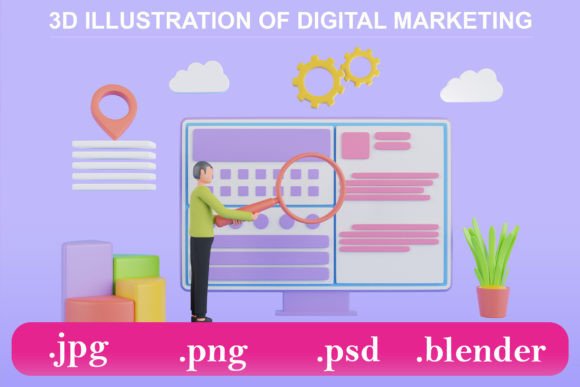
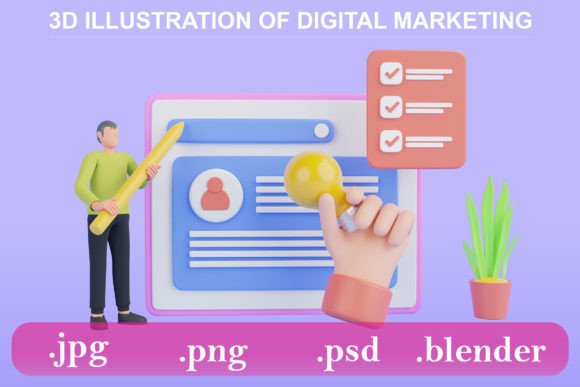
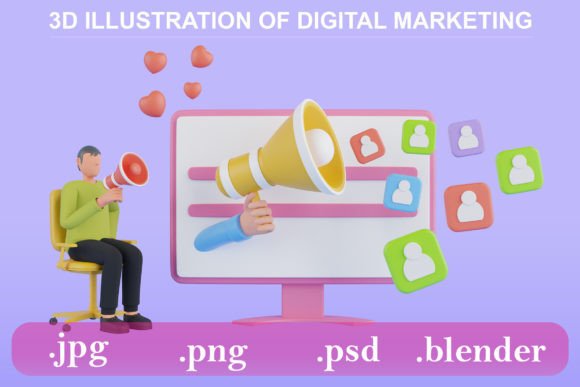
A 3D illustration of Digital Social SEO is a graphic design that uses three-dimensional imagery to depict how search engine optimization (SEO) and social media marketing work together. It often includes icons representing keywords, data flows, user interactions, and online engagement metrics—all rendered in a visually rich 3D environment. This type of illustration helps break down abstract ideas into something tangible and easy to grasp.
These designs can come in various file formats such as JPG, PNG, PSD, or even Blender files for further customization. A Blender file, for instance, allows designers to tweak lighting, camera angles, or individual elements to better suit their project's needs.
The Power of Visual Representation in Marketing
In today’s fast-paced digital landscape, attention spans are short. That’s where 3D illustrations shine—they capture interest instantly. For marketers, educators, and business owners, using a 3D illustration of Digital Social SEO can be a game-changer when it comes to explaining how campaigns reach audiences or how SEO impacts website traffic.
- Engagement: People tend to remember visual content better than text alone.
- Clarity: Complex processes like ad targeting or web analytics become easier to understand through 3D visuals.
- Professionalism: High-quality 3D graphics elevate the look of presentations, reports, and promotional material.
Why You Might Want to Use It
If you’re new to digital marketing or need to explain these concepts to others, a 3D illustration of Digital Social SEO can simplify your message. Here are some common reasons why professionals and creatives choose this type of visual aid:
- To demonstrate how SEO and social media advertising intersect in real-time marketing efforts.
- For educational purposes, helping students visualize digital marketing strategies without technical jargon.
- To create eye-catching posters or banners that highlight key performance indicators (KPIs) and campaign goals.
- As part of a website redesign to showcase data-driven approaches in an attractive format.
- To support presentations for clients or stakeholders by making abstract ideas more concrete.
Real-World Use Cases
Let’s take a closer look at how a 3D illustration of Digital Social SEO might appear in different scenarios:
Website Design: Imagine a landing page that features a 3D scene with floating icons representing keywords, social platforms, and analytics tools. As users scroll, the illustration animates to show how SEO drives traffic and how social signals influence visibility.
Banner Ads: A 3D illustration can serve as the centerpiece of a banner promoting a new marketing service. The layered visuals guide the viewer through the journey from ad click to conversion, all in a compact and compelling format.
Promotional Material: Brochures, infographics, and social media posts benefit greatly from 3D renderings. For example, a poster could use a stylized globe with interconnected nodes to show how global audiences are reached through targeted strategies.
UI/UX Projects: When building dashboards or internal tools for tracking SEO and social performance, 3D illustrations can make the interface more intuitive and user-friendly. They help users quickly identify important metrics and trends.
How to Get Started Using 3D Illustrations
If you're considering using a 3D illustration of Digital Social SEO for your next project, here are some practical steps to follow:
First, decide which file format suits your needs best. If you plan to edit the design yourself, a PSD or Blender file would give you full control over layers and objects. For static use, high-resolution JPG or PNG images are ideal.
Next, think about the context where the illustration will appear. Will it be on a mobile app screen? In a PowerPoint presentation? On a billboard? Each medium may require adjustments in scale, color, and layout to ensure optimal impact.
Finally, consider the message you want to convey. Are you emphasizing the power of audience outreach? Or focusing on the synergy between SEO and social marketing? Tailoring the illustration to match your core message ensures it resonates with your target viewers.
Important Things to Consider
While 3D illustrations are versatile and effective, they aren’t always the best fit. Before investing time or resources into using a 3D illustration of Digital Social SEO, ask yourself:
- Is the concept I’m trying to explain complex enough to benefit from a 3D approach?
- Do I have the technical skills or tools needed to modify and integrate the illustration effectively?
- Will the illustration perform well across all devices and platforms where it will be displayed?
Also, keep in mind that not all audiences respond the same way to 3D visuals. Some may find them overwhelming if too many elements are included. Striking the right balance between detail and simplicity is key to maximizing its effectiveness.
Customization and Flexibility
One of the biggest advantages of working with a 3D illustration of Digital Social SEO is the ability to customize it. With access to editable files like PSD or Blender, you can change colors, add or remove components, and adjust the composition to align with your brand identity or specific campaign goals.
For example, if you're launching a campaign focused on Instagram growth, you could modify the illustration to highlight social media icons and user interaction elements more prominently. Similarly, if your focus is on improving organic search rankings, you might emphasize keyword clusters, backlinks, and traffic funnels within the design.
Beginner-Friendly Tips for Effective Use
If you're just starting out with 3D illustrations, here are some tips to get the most out of them:
- Use clear labels: Even though the illustration is 3D, avoid cluttering it with too much text. Keep labels concise and legible.
- Highlight key areas: Use lighting or color contrast to draw attention to the most important parts of the illustration.
- Match your branding: Adjust the style, fonts, and colors to reflect your company’s brand guidelines.
- Test on multiple screens: Ensure the illustration looks good on both desktop and mobile devices before finalizing its use.
Where Can You Apply This Type of Design?
Here are a few common applications of a 3D illustration of Digital Social SEO:
- Websites: Feature it in blog posts, homepages, or case studies to enhance visual storytelling.
- Social Media: Use it in carousel ads or Instagram Stories to explain campaign results in a digestible format.
- Presentations: Add it to slides during client meetings or internal strategy sessions for a more professional and engaging touch.
- Print Materials: Incorporate it into brochures, flyers, or posters to attract attention and communicate value quickly.
- UI/UX Prototypes: Integrate it into dashboard mockups to help users navigate and understand their marketing data.
Examples of Creative Applications
Let’s say you're a small business owner who wants to promote your new digital marketing package. A 3D illustration showing how SEO works hand-in-hand with social targeting can help potential customers see the value behind your services. Another scenario: an educator preparing a lesson on digital marketing might use a 3D illustration to demonstrate how web analytics track user behavior and optimize future campaigns.
Freelancers and entrepreneurs also benefit from these visuals. For instance, if you're pitching to a client about increasing their online presence, a 3D illustration can help you map out a strategy in a way that feels modern and insightful. And for hobbyists or creators exploring design software like Blender, this type of illustration offers a great opportunity to learn and apply 3D modeling techniques to real-world concepts.
Choosing the Right Files for Your Needs
When you download a 3D illustration of Digital Social SEO, you’ll likely receive multiple file types. Understanding what each offers can help you choose wisely:
- JPG/PNG: Great for quick use in blogs, presentations, or social media. No editing required.
- PSD: Ideal for those familiar with Photoshop. Allows layer-based editing and integration with other design assets.
- BLENDER: Best suited for advanced users who want to tweak lighting, camera angles, or model details for maximum flexibility.
Depending on your skill level and the platform you're using, selecting the right format can save you time and effort while ensuring the illustration meets your expectations.
Final Thoughts on Practical Value
The 3D illustration of Digital Social SEO isn’t just a pretty image—it’s a strategic asset. By combining visual appeal with informative content, it helps you connect with your audience in a meaningful way. Whether you're looking to improve your website's design, boost your presentation quality, or simply explain digital marketing in a more engaging manner, this type of illustration is worth exploring.
With the right tools and mindset, you can adapt and expand upon these visuals to suit your unique needs. So don't hesitate to experiment and see how a 3D illustration can help you stand out in the crowded digital space.